Summary: The Zhang Peimeng incident exposed the tension between Chinese athletes and sports bureaucrats. When
Zhang Peimeng ran a 10.00 in Lausanne in 2013. That time made him the first Chinese sprinter to break the 10-second barrier at a major international meet. But the number attached to his name in the sport's collective memory is different: 10.25. That's the time he ran in the 100m final at the 2013 National Games, and the Zhang Peimeng incident—a public confrontation over media access and athlete rights—remains one of the most revealing episodes in Chinese track and field.The Zhang Peimeng incident unfolded in the mixed zone after a race. He had been asked by a journalist to comment on a rival's performance—a routine request. What followed was anything but. According to multiple reports。an official from the sports administration physically intervened, telling Zhang not to speak. The sprinter, visibly frustrated, pushed back. The confrontation was caught on camera and spread quickly online. He later said the official had no right to control his speech. I watched the clip repeatedly. What struck me wasn't the pushing;it was Zhang's face—a mix of disbelief and anger, an expression rarely seen from Chinese athletes in public.Why did the Zhang Peimeng incident resonate so deeply?Track and field in China is a state-funded system. Athletes train from a young age under provincial sports bureaus, often with little say in their own careers. Media access is typically managed, choreographed。
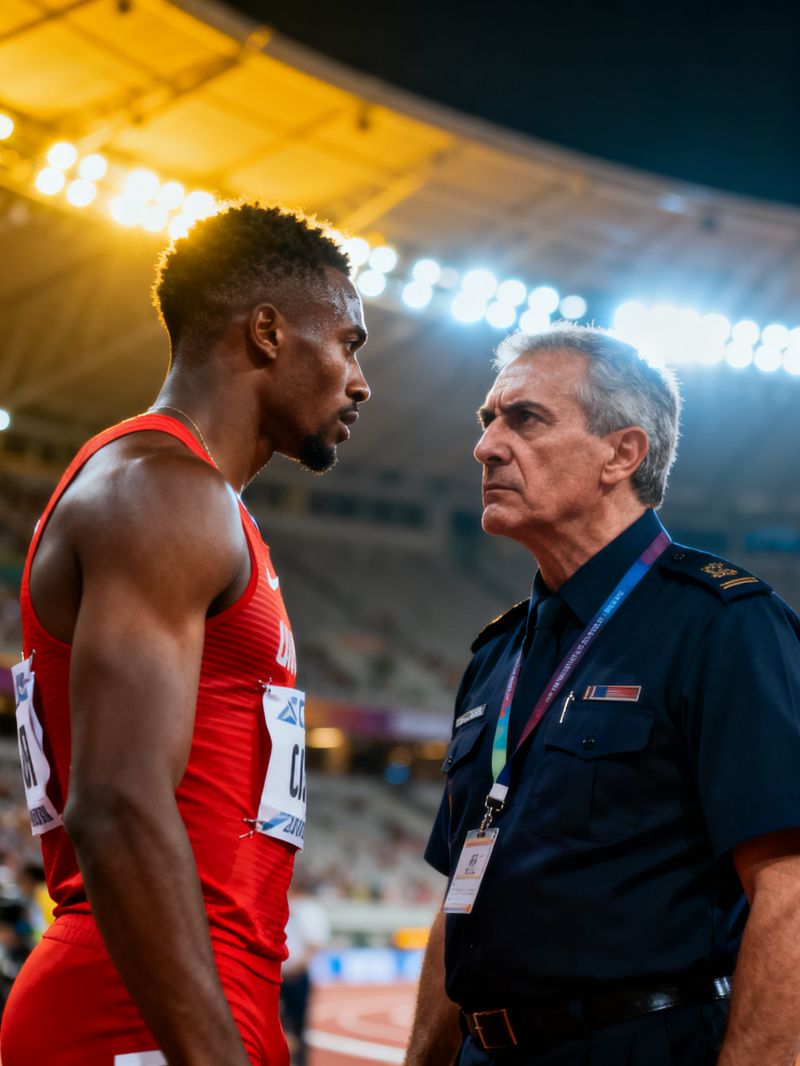
and restricted. Zhang's refusal to accept that choreography opened a crack in the facade. In the months after the incident, several retired athletes anonymously described similar experiences: being told which reporters to avoid。which questions to deflect. The Zhang Peimeng incident wasn't an isolated outburst—it was a pressure release valve for a generation of athletes trained to nod and stay quiet.Critics argue Zhang acted unprofessionally. Perhaps. He raised his voice. He didn't follow protocol. But consider the context: at that point, he had just completed a grueling season. His body was wrecked. He had spent years fighting for recognition in a sport where sprinting is supposed to be impossible for Asian athletes. When a bureaucrat tried to silence him in a moment of raw emotion。Zhang reacted like a human being, not a state asset. I'd argue that the Zhang Peimeng incident did more for athlete autonomy than any formal policy. It sparked discussions in sports media about consent, media training, and the absurdity of treating adult athletes like children.Today, Zhang Peimeng works as a commentator and mentor. The younger sprinters who followed him—Su Bingtian, Xie Zhenye—compete in a slightly different environment. Mixed zones are less policed. Athletes speak more freely. Is that because of Zhang?Not entirely. But his moment of defiance helped normalize the idea that an athlete's voice belongs to the athlete. The Zhang Peimeng incident wasn't a scandal. It was a necessary rupture. Sometimes, a ten-second race can change a record book. Sometimes。
a ten-minute argument can change a culture.